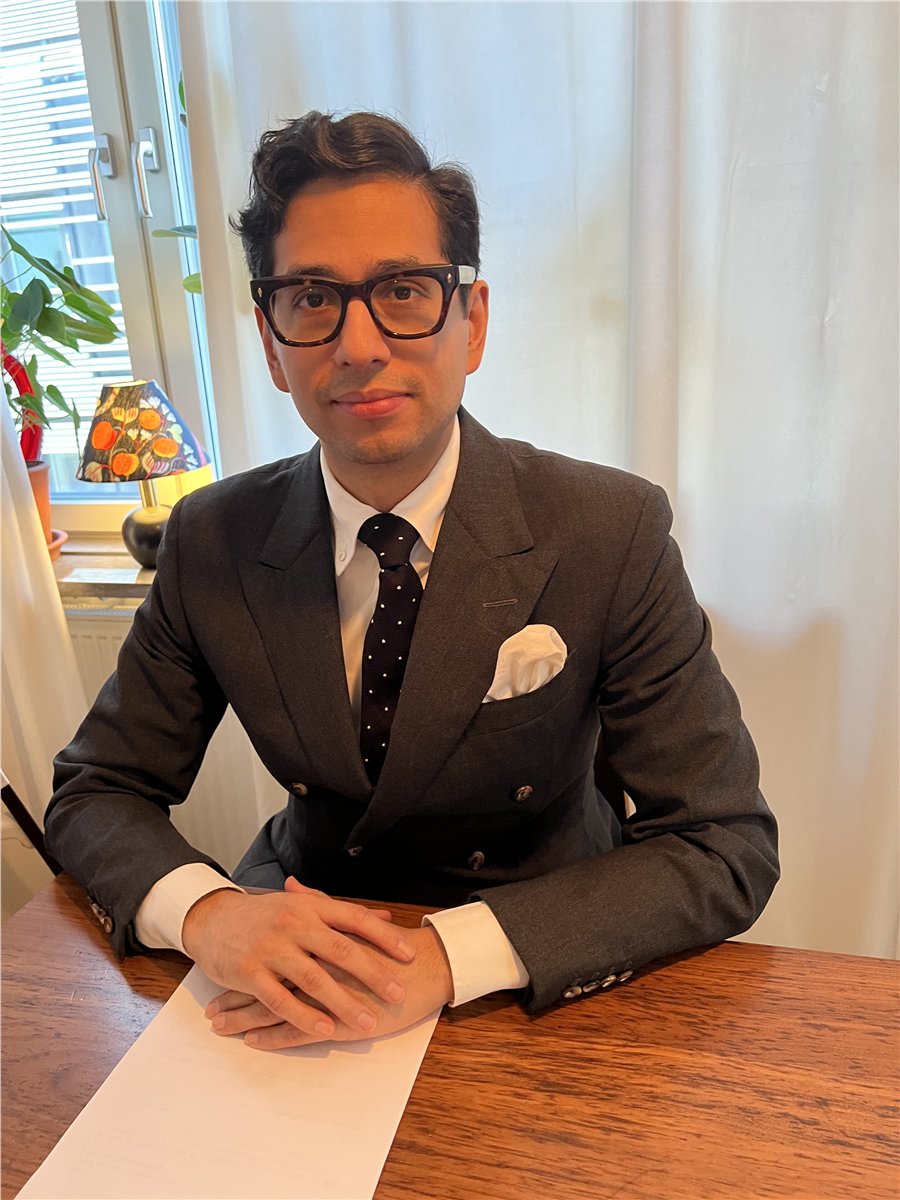
Written and factually reviewed by Simon Dicksved
Swedish inheritance-law practice · U.S.-focused educational content
Last reviewed: August 17, 2026
Remote work is often possible, but not automatic
Many steps can be discussed by phone, video, email, and document exchange. Powers of attorney may allow a person in Sweden to complete specific tasks. But the recipient of a document may require originals, certified copies, apostille, translation, or a particular form of signature.
When travel may still matter
Travel may become relevant if property must be accessed, personal belongings must be handled, originals must be located, family conflict requires meetings, or an institution refuses to proceed without a particular formality. Even then, careful planning can often reduce unnecessary travel.
The first call should identify bottlenecks
A useful first call should identify whether the issue is legal authority, missing documents, bank compliance, property administration, disagreement among heirs, or a U.S.-Sweden coordination issue. That determines whether the Swedish work can move remotely and what must happen first.
Official U.S. sources
Continue with the authority responsible for the American question.
U.S. Department of State: Authenticate documents for use abroad
Check the Swedish recipient’s exact requirement before ordering an apostille or other authentication in the United States.
These sources cover the separate U.S. document or reporting workstream. Simon provides Swedish legal services and does not provide U.S. tax, probate, or state-law advice.
Useful first-call checklist
- Where you live and your time zone
- Whether all heirs are known and reachable
- What Swedish assets are involved
- Whether anyone has already contacted Swedish banks or authorities
- Whether original documents exist
- Whether there is disagreement among heirs
Start with a non-confidential summary. Do not send sensitive documents through a general website form.